
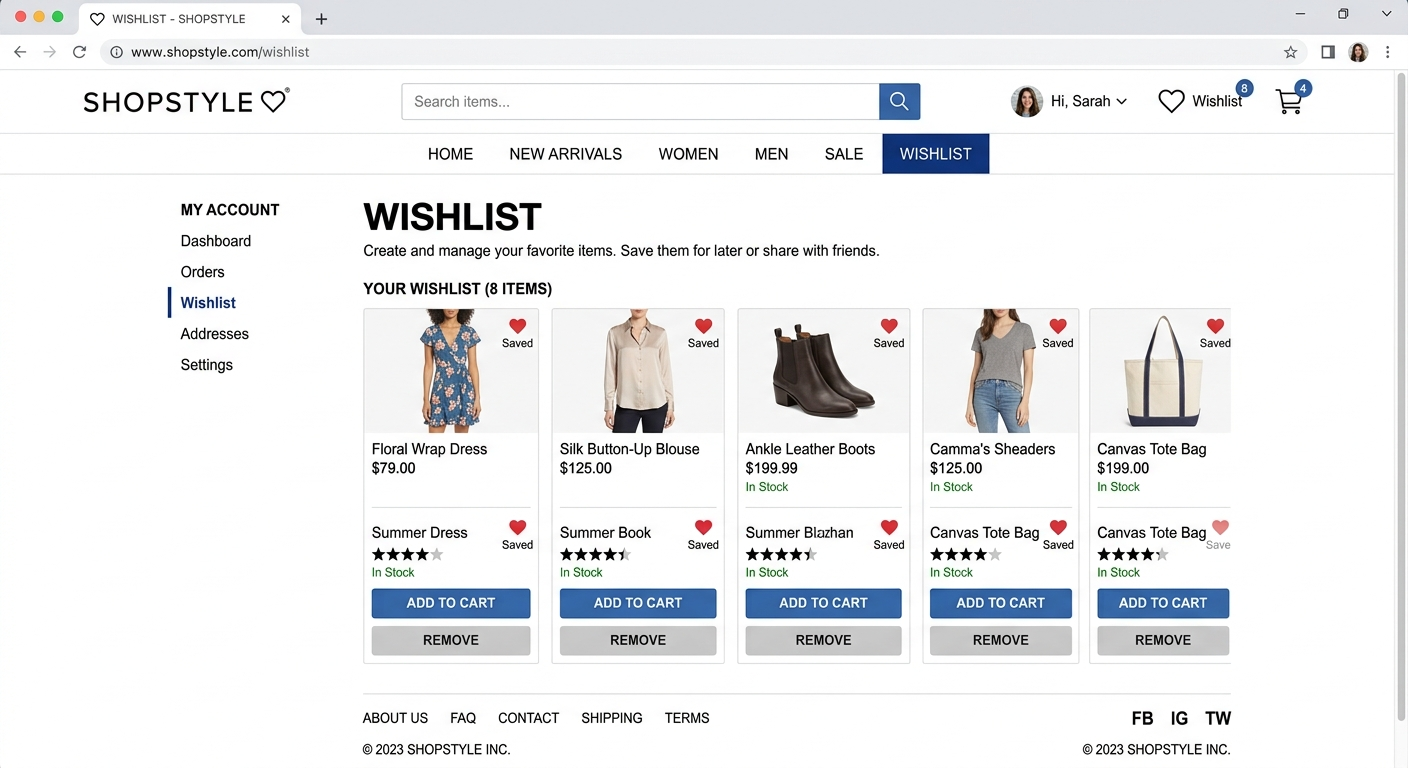
Today everyone, from you, me and almost every person we know has what's called a "wishlist": a list of things that we are planning, saving and waiting the right time to purchase. You can also see it everywhere today, on every website or apllication, it's the little heart shaped emoji, where if you click it it will save and categorize your chosen item to a wishlist.
This is relatively a new feature in e-commerce, where businesses know that if you cannot buy something now, you can wish for it today, and they will remind you after a while that something you were wishing for is running out of stock, and that you may miss fulfilling your wish, so hurry up and go get it before someone else does.
In this way, these businesses are making sure you don't just leave their website or application after you're done discovering or even purchasing from them, they want you to wish for something that they have. Wishlists are a key tool businesses are using today to personalize re-engagement.
100% Organic, 100% Hand-made, 100% Gluten Free, and so many more. Next time you visit your grocery store, take a look at the tooth pastes section. I guarantee you the same company would have tens of different boxes and models of toothpaste, each with a different label. Some of those labels are actually quite funny.
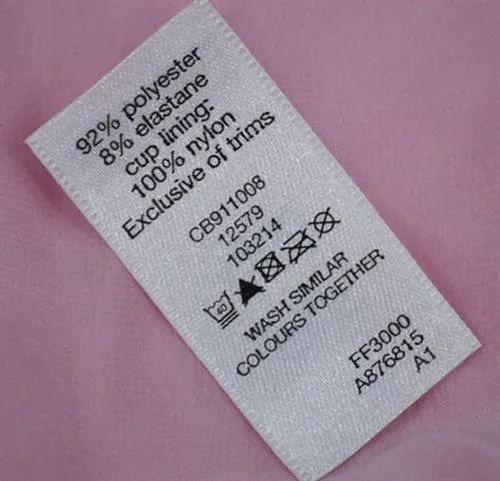
It is an old trick that businesses tend to highlight the things that may appeal to consumers and hide out what consumers do not like to hear or see in labels using statistics and % labels. You would catch this trick a lot in apparel and clothes where cotton is always mentioned like 40% Cotton, or the Cashmere or Linen, but Polyester which usually make up the biggest percentage of that product is kept hidden in small letters in the tag.
Consumers will see the cotton, cashmere and linen percentage and get excited, as well as justify the price they are willing to pay just because of the deceiving label.
A study by Label Insight found that 73% of consumers say they would switch to a brand that provides more complete product information. Businesses exploit this trust by selectively highlighting flattering ingredients.
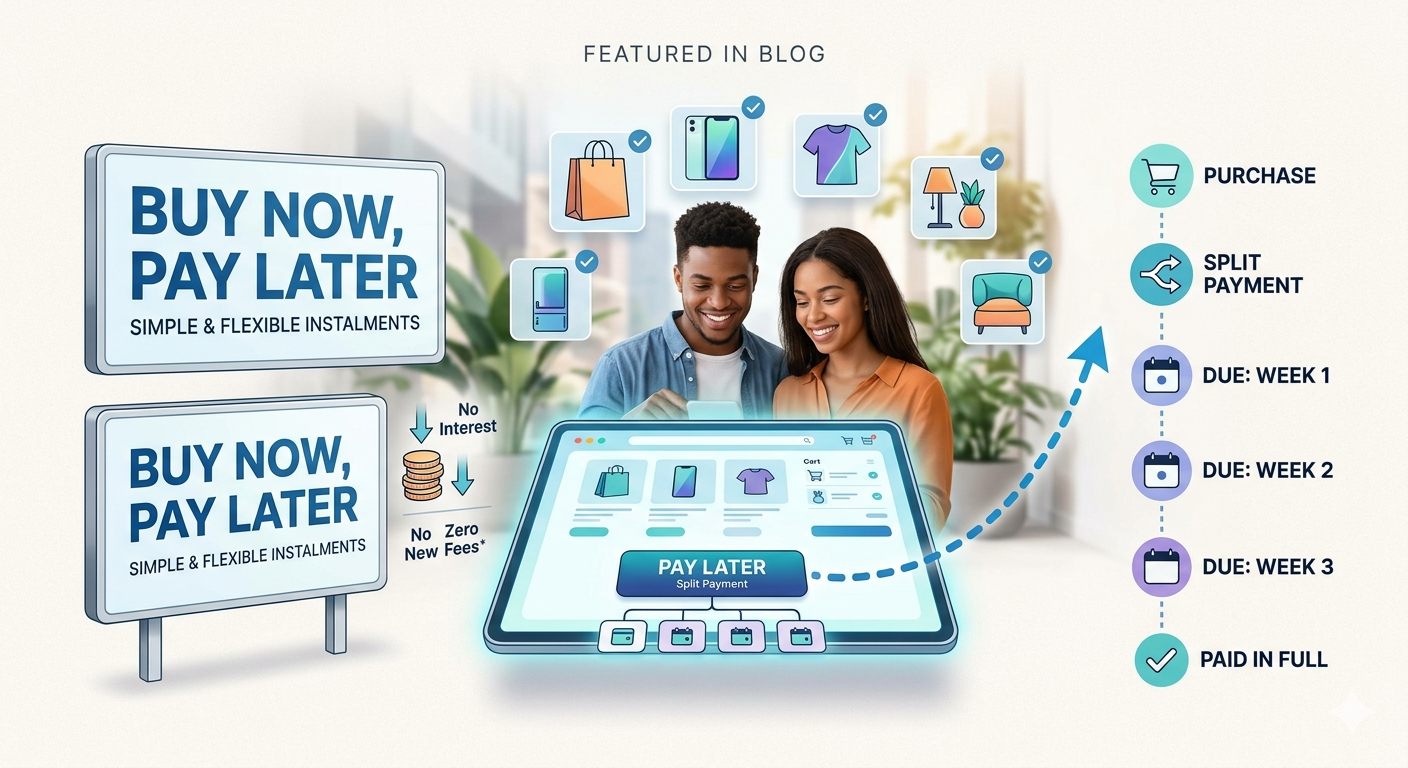
This is one of the weirdest ones yet, the model is not that strange to people, financing a product or a service has been there a long time ago, But what's making this a sneaky factor, is the fact that this Buy Now Pay Later model has been applied to almost every product, even food.
Businesses realized that a large segment of people are now taking a bit more time to decide whether to purchase something or not. With website and aplication tracking every move a customer have on their website, they realized that people are reaching the final stage of the sale funnel and stopping there when they see their total amount, and then they take a step back and dont purchase.
Businesses had to think of something to let people continue sealing the sale, what better option to customers they thought than to split their amount into 4 payments, this way the consumer will only have to pay a small chunk of the amount every month. Also, usually what these business on websites and applications will do is that they will highlight the smaller amount that you will be paying every month, and decreasing the size of the total amount. This way, your brain would only see the smallest number and would quickly justify paying it.
According to a 2023 report by Adobe Analytics, Buy Now Pay Later usage grew by 14% year over year, with consumers using it for everyday purchases like groceries and clothing. Additionally, research from Financial Health Network founded that BNPL users spend on average 10% to 40% more per transaction than those paying upfront, exactly the outcome businesses are counting on.